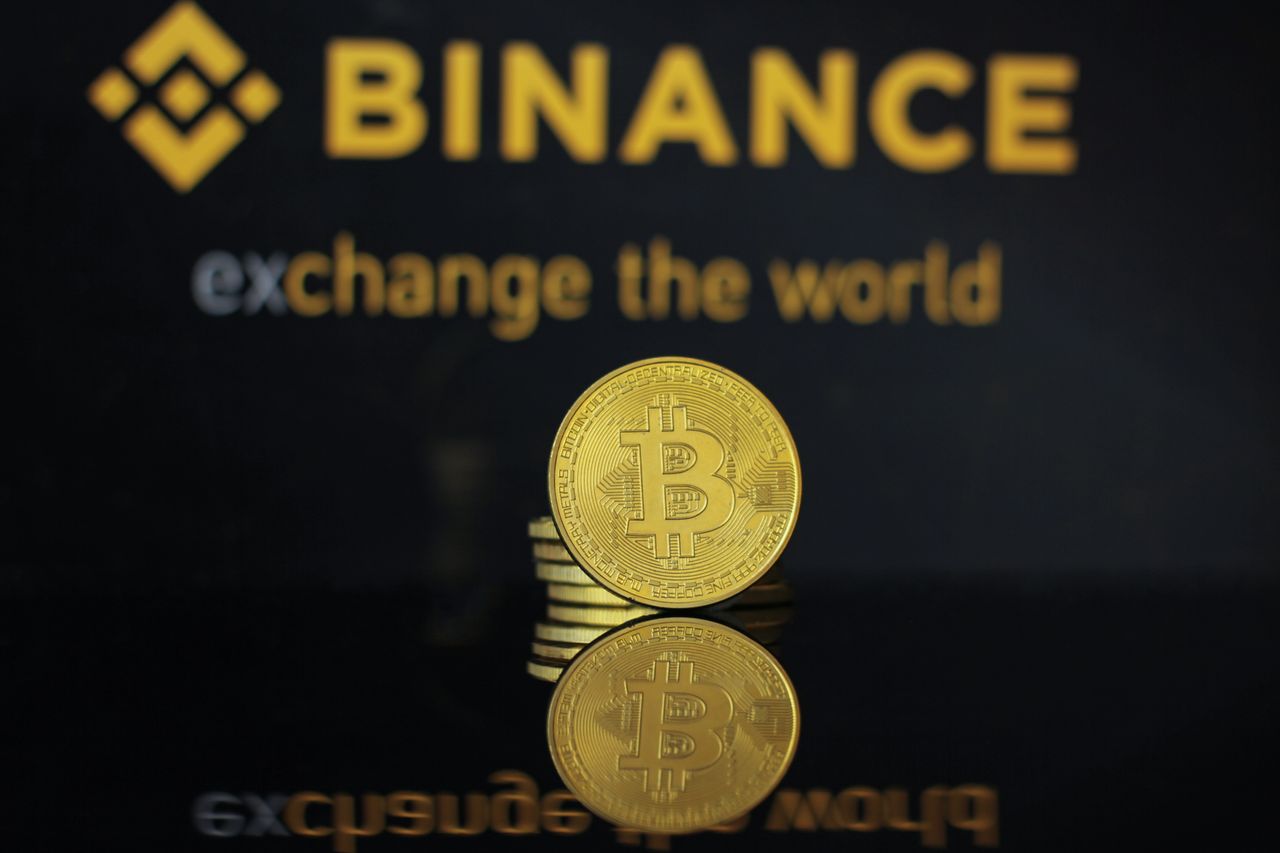
The cryptocurrency industry woke up to a nightmare on October 30, 2026. Binance, the world's largest crypto exchange, confirmed it had been hit by the largest digital asset theft in history. Hackers drained approximately $6.3 billion from the platform. The scale of the Binance hackA massive security breach at the world's largest cryptocurrency exchange, resulting in the theft of $6.3 billion in digital assets. is staggering. To put it in perspective, it eclipses the $1.5 billion Bybit heist in 2025 by a wide margin. It is, quite simply, the biggest financial heist of the digital age.
The news sent shockwaves through global markets. Bitcoin, the bellwether of the crypto market, dropped 5 percent to $76,800 in Friday afternoon trading in New York. Coinbase plummeted 12 percent, and Robinhood fell 7.8 percent. Investors were not just reacting to the theft itself, but to the terrifying realisation that even the biggest player in the industry was vulnerable to such a devastating attack.
How the Attack Unfolded in 20 Minutes
The attack did not happen overnight. It was a highly coordinated and ruthlessly efficient operation. According to blockchain analytics firm TRM Labs, the attackers targeted Binance wallets across 10 different blockchains. In a span of roughly 20 minutes, they drained the funds and moved them through various digital pathways to obscure their origin.
The initial entry point was surprisingly simple. Binance's co-CEO Richard Teng confirmed that the breach may have started with a compromised DevOps engineer's laptopA laptop belonging to an engineer responsible for managing the company's IT infrastructure and software deployment, which was infected with malware.. However, Teng later clarified that the attack was far more complex. He stated that the hackers used a "self destruct mechanism that destroyed tooling and traces as they went," making it extremely difficult for investigators to trace the stolen funds.
The stolen assets included a mix of cryptocurrencies, with reports indicating that 18,270 Bitcoin, worth approximately $1.47 billion, were among the haul. The hackers also targeted stablecoins like Tether and Circle, which are pegged to the US dollar. The sheer volume of assets moved in such a short time suggests a level of sophistication that is rarely seen in cybercrime.
FBI Blames North Korea's TraderTraitor
The question on everyone's mind was who could pull off such a massive heist. The answer came swiftly. On Saturday, October 31, the US Federal Bureau of Investigation (FBI) formally accused North Korea of being behind the attack. Specifically, they pointed the finger at a state sponsored hacking unit known as TraderTraitorA North Korean state-sponsored hacking group known for targeting cryptocurrency exchanges to steal funds for the regime..
The FBI stated that members of the unit were observed converting the stolen assets into Ethereum. This is a common tactic used by North Korean hackers to launder stolen funds through a complex web of transactions. The FBI added that it expects "further laundering" of the assets through related technology.
This is not the first time North Korea has been linked to a major crypto theft. In 2025, the same unit was accused of the $1.5 billion Bybit hack. The US Secret Service is now involved, working around the clock to identify, freeze, trace, and recover the stolen funds. The fact that US-linked assets were involved gives US authorities jurisdiction to intervene.

Binance's Response: Replacing 90% of Stolen Funds
In the face of this disaster, Binance moved quickly to reassure its users. The exchange immediately suspended all deposits and withdrawals. Then, in a statement on X, co-CEO Richard Teng announced that Binance had replaced 90 percent of the stolen assets. "We've now replenished 90 per cent of the stolen assets, and we're committed to covering the remaining 10 per cent," Teng said. "Our users will not bear the financial impact of this incident."
The remaining 10 percent consists of tokens that are less liquid, meaning they may take longer to buy back. To fund this massive replacement, Binance has set aside approximately $6.34 billion of company funds. The company is utilising its $1 billion Secure Asset Fund for Users (SAFU), a bitcoin reserve held to protect customers in the event of security breaches. It is also using part of its Futures Insurance Fund and its own corporate treasury.
Here is a breakdown of the key numbers surrounding the hack and the recovery effort.
| Metric | Details |
|---|---|
| Total Amount Stolen | $6.3 Billion |
| Amount Frozen On-Chain | Approximately $3 Billion |
| Funds Replaced by Binance | 90% of Stolen Assets |
| Company Funds Set Aside | $6.34 Billion |
| Bitcoin Price Drop (Friday) | 5% to $76,800 |
| Number of Blockchains Affected | 10 |
Binance has also taken a new snapshot of assets held on its platform as of October 31, 2026. This is part of its proof-of-reserves process. Users holding the 10 listed tokens, including Bitcoin, Ethereum, and Solana, will be able to verify that their assets are backed at a minimum ratio of 1:1.
The Risks and the Fear of an FTX Repeat
Despite Binance's assurances, the crypto community is nervous. There is a deep sense of déjà vu. Crypto history watchers have pointed out online that this is exactly the kind of message that FTX CEO Sam Bankman Fried gave before his exchange collapsed in 2022, leading to huge losses for customers.
Several experts have warned customers not to regard Binance's promise to cover losses as legally binding. Daniel Tunkel, of the London based Edwin Coe law firm, noted that users may need to pursue litigation to recover their funds if Binance fails to deliver on its promise. The fear is not just about this specific hack, but about the systemic risk it poses. If Binance, with over 300 million registered users, were to fail, the entire cryptocurrency market could collapse.
The broader financial market is also watching closely. The sell off in tech stocks, which we covered in our article on Apple overtaking Nvidia, has made investors skittish. The last thing the market needs is a major crypto collapse. However, some analysts believe the hack could accelerate regulatory scrutiny of the industry. As we discussed in our analysis of the $3 trillion AI infrastructure spending race, investors are already concerned about the risks associated with new technologies. The Binance hack adds another layer of uncertainty.
What Comes Next for Binance and Crypto
The immediate focus is on recovering the remaining funds and reopening withdrawals. Binance has stated that it is on track to reopen withdrawals on Sunday. However, the long term damage to trust may take much longer to repair.
The hack highlights the inherent risks of holding large amounts of digital assets on a centralized exchange. It also underscores the growing threat of state-sponsored cyber warfare. North Korea has increasingly relied on crypto theft to fund its regime, bypassing international sanctions. The TraderTraitor unit is believed to have stolen billions of dollars over the past few years.
For the industry, the Binance hack is a harsh reminder that security is not just about technology. It is about people and processes. A single compromised laptop was enough to trigger a chain of events that led to a $6.3 billion loss. As the industry grows, the stakes will only get higher.
For users, the message is clear. Never leave more funds on an exchange than you are prepared to lose. The promise of safety is only as good as the company making it. And in the world of cryptocurrency, trust is a scarce commodity.