The race to build artificial intelligence infrastructure has entered a new phase. It is no longer just about how many chips a company can buy. It is about how creatively they can finance them. In a span of forty eight hours, two mega deals were announced that redefined the financial engineering behind the AI boom. SpaceX closed a $40 billion financing round to purchase Nvidia chips, setting a new record for the AI chip sector. That record lasted barely a day, as Broadcom quickly finalized a $63 billion deal to lease chips to AI giant Anthropic.
These transactions are not just massive in size. They represent a fundamental shift in how technology companies are funding their AI ambitions. With cash flows turning negative and stock prices under pressure, companies are turning to complex financing structuresMethods used by companies to raise capital for large projects, including debt, equity, and lease agreements. to keep the AI buildout moving. The era of simply paying cash for chips is over.
SpaceX Secures $40 Billion for Nvidia Chips
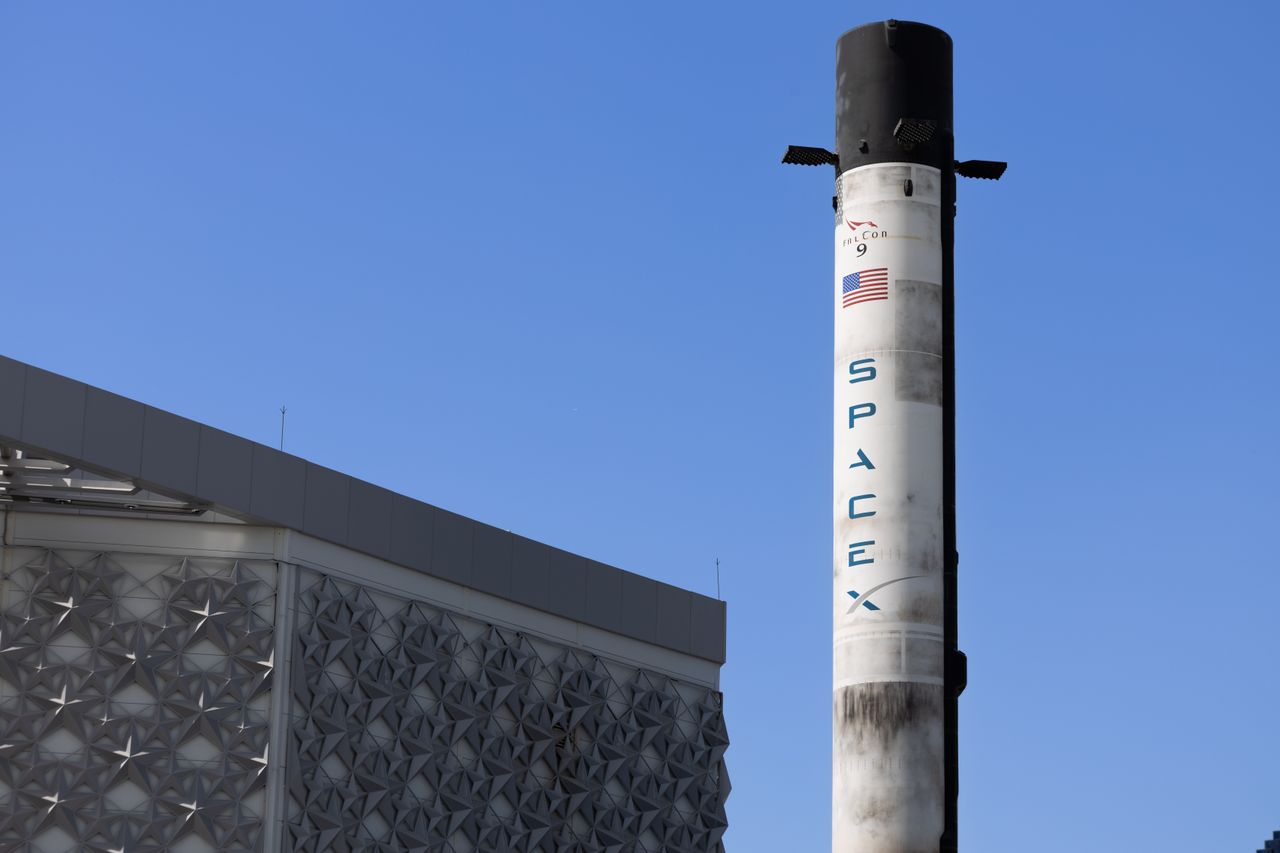
The week began with SpaceX's announcement. The company, led by Elon Musk, completed a $40 billion financing round specifically designed to purchase Nvidia's latest generation of AI chips. This was not a standard corporate bond offering or a venture capital raise. It was a structured deal that involved a special purpose vehicle, or SPV.
In this arrangement, a separate entity was created to raise capital from investors. That entity then used the funds to purchase the chips from Nvidia and lease them back to SpaceX. This structure allows SpaceX to acquire the equipment it needs without taking on the full debt burden on its balance sheet. It also gives investors a claim on the physical assets, which are the chips themselves.
This deal was significant because it demonstrated that investors are willing to fund the purchase of AI hardware even when the end user, in this case SpaceX, may not have the immediate cash flow to pay for it outright. Nvidia's chips are the most valuable physical assets in the technology industry right now. They are effectively the new gold standard for collateralAn asset that a lender accepts as security for a loan. If the borrower defaults, the lender can seize the asset.

Broadcom and Anthropic's $63 Billion Lease
If the SpaceX deal was ambitious, the Broadcom-Anthropic deal was staggering. On October 30, Broadcom finalized an agreement to lease $63 billion worth of AI chips to Anthropic. This is the largest AI chip lease deal ever recorded. It dwarfs the SpaceX transaction and signals that the demand for compute power from frontier AI labs is insatiable.
Broadcom is not just a chip designer. It is increasingly becoming a critical infrastructure partner for AI companies. The deal involves Broadcom manufacturing custom AI accelerators, which are chips designed specifically for Anthropic's workloads. These are not off-the-shelf Nvidia GPUs. They are bespoke silicon optimized for the specific models that Anthropic runs, such as the Claude family of AI assistants.
The lease structure is crucial here. Anthropic is not buying the chips. It is leasing them. This allows the company to preserve its cash reserves. As we noted in our coverage of Anthropic's historic IPO filing, the company is preparing to go public and needs to show investors a path to profitability. Leasing chips instead of buying them keeps capital expenditures lower, which improves the appearance of free cash flow on the income statement.
However, this is not free money. A $63 billion lease is a massive long term obligation. It is essentially a debt that does not show up as debt on the balance sheet. If Anthropic's business does not grow as fast as expected, this lease could become a crushing burden.
The New AI Financing Arms Race
These two deals are the clearest examples of a broader trend. The way AI companies pay for infrastructure is changing. Traditional financing methods are no longer sufficient for the scale of the spending. Companies are turning to private credit funds, specialized infrastructure investors, and complex lease structures to keep the money flowing.
Here is a breakdown of the two mega deals and how they compare.
| Metric | SpaceX Deal | Broadcom-Anthropic Deal |
|---|---|---|
| Deal Value | $40 Billion | $63 Billion |
| Asset Type | Nvidia AI Chips | Custom Broadcom AI Accelerators |
| Structure | SPV Financing & Lease | Long Term Equipment Lease |
| Primary Beneficiary | SpaceX | Anthropic |
| Announcement Date | October 29, 2026 | October 30, 2026 |
This new wave of financing is being driven by necessity. The tech giants are already spending hundreds of billions of dollars on data centers. As we reported in our article on the $3 trillion AI infrastructure spending race, companies like Amazon and Alphabet are seeing their free cash flow turn negative. To avoid completely draining their cash reserves, they are finding new ways to access capital.
The Risks and Rewards of AI Financing
The benefits of these structures are clear. They allow companies to acquire the equipment they need without immediately paying for it. They also allow investors to gain exposure to the AI boom through the underlying assets, rather than just buying equity in the companies themselves.
But the risks are equally significant. These lease agreements are essentially long term debt. If the AI market slows down, or if a company like Anthropic fails to generate enough revenue to cover its lease payments, the consequences could be severe. The lenders and lessors would be left holding assets that may have lost value. The chips are only valuable if there is someone willing to pay to use them.
There is also the issue of obsolescence. AI chips become outdated quickly. A chip purchased in 2026 may be significantly less efficient than a chip released in 2028. If the lease terms are long enough, companies could be stuck paying for equipment that is no longer competitive.
The market is already showing signs of nervousness. The Nasdaq 100 fell 6.7 percent in October, as investors worry that the massive AI spending is not generating enough profit. Companies like Intel and Amazon reported disappointing results, adding to the sense of uncertainty. You can read more about how the market is seeking safety in companies like Apple in our article on Apple overtaking Nvidia as the world's most valuable company.
What This Means for the AI Industry
The SpaceX and Broadcom deals represent the next stage of the AI revolution. The first stage was about building the models. The second stage was about buying the chips. The third stage, which is happening now, is about financial engineering. The companies that can access capital most efficiently will have a significant advantage.
For the job market, this trend has mixed implications. The massive spending on data centers and chips is creating demand for skilled tradespeople. Our guide on AI proof jobs and careers safe from automation explains why electricians and construction workers are in high demand. At the same time, the pressure to show returns on these investments is driving corporate restructuring. As we explored in our analysis of why corporate giants are replacing middle management with AI, companies are cutting roles that are not directly tied to revenue generation.
The financing arms race is not going to end soon. As long as the demand for AI continues to grow, companies will keep finding new ways to fund their infrastructure. The SpaceX and Broadcom deals are just the beginning. The next few months will likely see even more creative and complex financing structures as the industry races to build the future of computing.