Meta has officially entered the physical world. On November 1, 2026, the company unveiled its first humanoid robot prototype, named Max. Built in partnership with Chinese robotics firm Fourier Intelligence, Max is not just a hardware demonstration. It is the physical embodiment of Meta's Muse AI agentMeta's advanced artificial intelligence system designed to understand and interact with the digital and physical world., a system that until now has only existed as software. The reveal marks a pivotal moment for the company and signals a major shift in the global race to build machines that can work alongside humans.
The announcement comes just days after Meta's own AI researchers published a paper on the challenges of embodied intelligence. The timing is deliberate. Meta is positioning Max not as a toy or a research experiment, but as a serious platform for the next generation of AI. This is a direct challenge to the likes of Tesla's Optimus and Figure AI, and it raises important questions about the future of labor, safety, and the intersection of digital intelligence with the physical world.
What is Meta's 'Max' Robot?
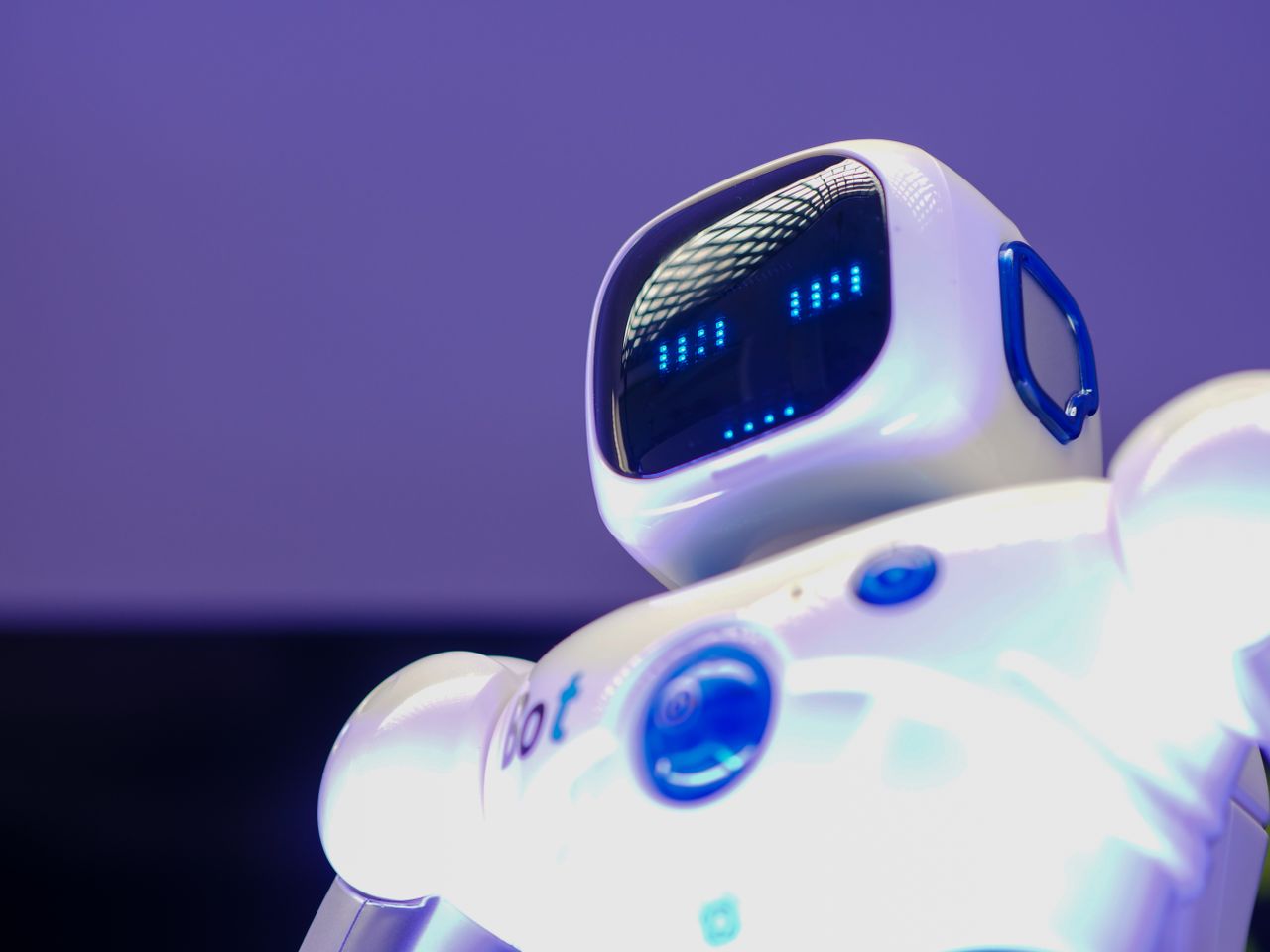
Max is a bipedal humanoid robot designed for general purpose tasks. According to early reports, it stands approximately 1.7 meters tall and weighs around 70 kilograms. It features a sleek, minimalist design with a screen on its chest that displays the status of the Muse AI agent. Its head is a simple dome with a ring of sensors, including cameras and LIDAR, which allow it to navigate and understand its environment.
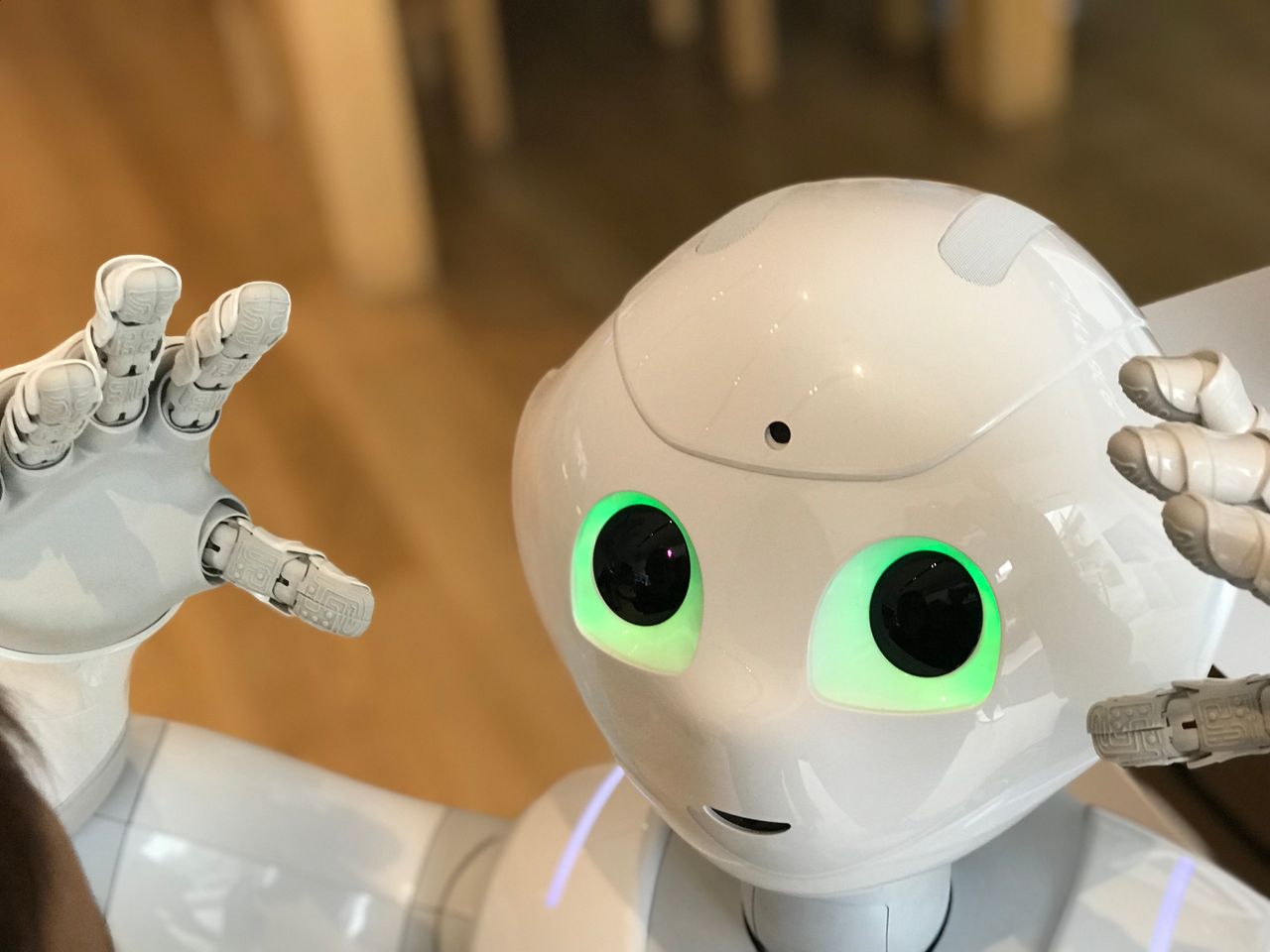
Unlike some other humanoid robots that are designed with a full face and human-like expressions, Max is intentionally abstract. Meta's design philosophy is to avoid the uncanny valleyThe uncomfortable feeling people experience when a robot or computer graphic looks almost, but not quite, exactly like a human. and to focus on functionality. The robot's hands are articulated with five fingers, allowing it to grasp a wide range of objects, from tools to household items. Its legs are designed for stable walking on uneven surfaces, and it can carry up to 20 kilograms of payload.
The partnership with Fourier Intelligence is a significant detail. Fourier is a Shanghai based company known for its advanced rehabilitation robotics and exoskeletons. This expertise in human biomechanics and motor control has clearly influenced Max's design. The collaboration allows Meta to leverage Fourier's manufacturing capabilities and engineering talent while focusing on the AI software that powers the robot.
The Muse AI Connection: From Digital to Physical
The most important feature of Max is not its hardware. It is the software. Max is running the Muse AI agent, Meta's most advanced multimodal model. This is the same AI that can understand images, text, and audio, and can perform complex reasoning tasks in the digital world. Now, it has a body.
Muse acts as the brain of Max. It processes input from the robot's cameras and sensors to build a real time understanding of its surroundings. It then generates commands for the robot's motors, allowing it to move, pick up objects, and interact with people. This is a massive step forward for AI. The Muse agent can now learn from physical interaction, not just from data on the internet. It can be trained to fold laundry, set a table, or assist in a laboratory by physically manipulating test tubes.
Meta's researchers believe that this embodied learning is the key to creating truly general purpose artificial intelligence. An AI that can only process text and images is limited. An AI that can move through the world and physically change it has a far greater range of capabilities. The company has released a video showing Max walking through a mock living room, picking up a dropped cup, and placing it on a table, all without human intervention.
How Max Compares to Other Humanoid Robots
The humanoid robot market is becoming increasingly crowded. Tesla's Optimus, Figure AI, and Boston Dynamics' Atlas are all pushing the boundaries of what is possible. Here is how Meta's Max stacks up against the competition based on available data.
| Feature | Meta Max | Tesla Optimus | Figure AI |
|---|---|---|---|
| Height | ~1.7 meters | ~1.73 meters | ~1.68 meters |
| Primary Focus | General purpose tasks, AI research | Manufacturing and industrial labor | Logistics and warehouse work |
| AI Brain | Muse AI agent | Proprietary neural network | OpenAI models |
| Key Partner | Fourier Intelligence | In-house development | OpenAI |
| Release Timeline | Prototype unveiled, limited trials | Limited production | Commercial pilot programs |
The comparison reveals different strategies. Tesla is focused on vertical integration, building everything from the chips to the motors. Figure AI is heavily reliant on OpenAI's software. Meta is taking a hybrid approach, partnering with an established hardware manufacturer while providing the AI brain. This strategy could allow Meta to scale faster, as it does not need to build its own factories.
The Risks and the Reality
The launch of Max is not without its risks. The physical world is far less predictable than the digital one. A robot that works perfectly in a lab can fail in a real environment. Safety is also a major concern. A humanoid robot that can carry 20 kilograms could seriously injure someone if something goes wrong. Meta has stated that Max is equipped with emergency stop buttons and that all physical trials are supervised by a human operator.
There are also concerns about job displacement. While Meta emphasizes that Max is designed to assist humans, not replace them, the prospect of a general purpose robot that can do household chores or basic warehouse work raises questions about the future of certain jobs. As we explored in our article on AI proof jobs and careers safe from automation, the roles that require physical adaptability and human judgment are the most resilient. However, the line between what humans and machines can do is blurring every year.
The massive investments required to develop and manufacture these robots are also a factor. As we reported in our analysis of the $3 trillion AI infrastructure spending race, the cost of building the physical infrastructure for AI is staggering. The same is true for robotics. Meta's partnership with Fourier is a way to mitigate some of these costs, but the research and development budget for this program is likely enormous.
What This Means for the AI Industry
The launch of Max signals a new phase in the AI revolution. The first phase was about building large language models. The second phase was about integrating them into products. The third phase, which is now beginning, is about giving them physical form. This is a much harder challenge. The software can be updated in minutes. The hardware must be physically manufactured and tested in the real world.
Meta's entry into this space is a major validation of the humanoid robot approach. The company, which has historically focused on social media and advertising, is now a serious player in the race to build the next generation of physical AI. The recent AI sell-off in the stock market has shown that investors are becoming more selective about AI investments. Meta's ability to execute on this ambitious project will be closely watched.
For now, Max is a prototype. But the technology is progressing rapidly. The Muse AI agent is already one of the most capable multimodal models in the world. With a physical body, its learning capabilities will accelerate. The era of the general purpose humanoid robot is not here yet, but with Max, Meta has taken a significant step toward making it a reality.