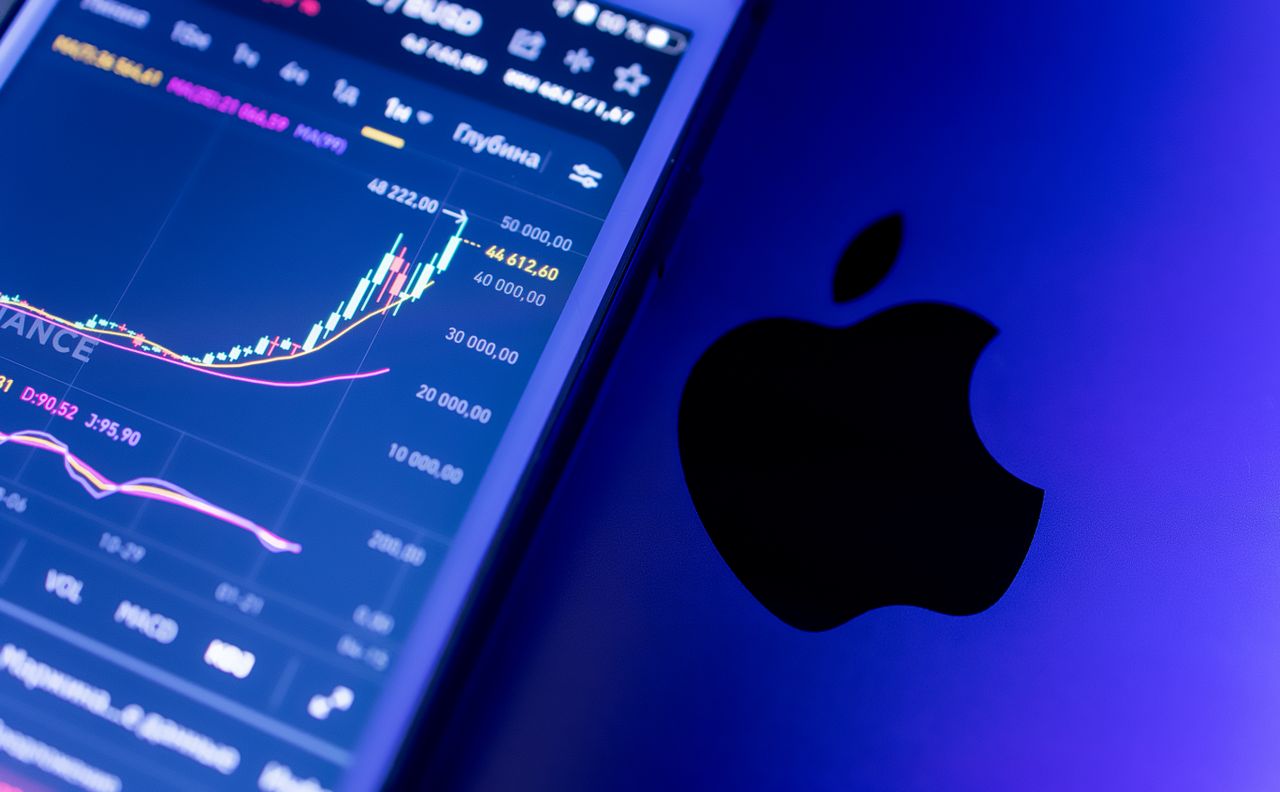
Apple reclaimed the title of the world's most valuable company on Friday, October 30, 2026. The iPhone maker overtook Nvidia as investors sought the perceived safety of a company with disciplined spending habits amid growing concerns about the massive costs of artificial intelligence. Shares of Apple fell 1.2 percent on Friday, resulting in a market capitalizationThe total dollar market value of a company's outstanding shares. It is calculated by multiplying the current stock price by the total number of outstanding shares. of $5.03 trillion. Nvidia sank 4.2 percent to close with a valuation of $4.93 trillion.
This is the first time Apple has overtaken Nvidia since briefly doing so in late July. The shift in rankings comes at a time when investors are reassessing the financial implications of the massive investments being made by technology companies in AI. Several major firms, including Amazon, Intel, Alphabet, and Meta Platforms, have faced pressure following their latest financial results, adding to uncertainty over the returns from AI related expenditure.
The change at the top is not just a symbolic passing of the torch. It reflects a significant shift in how Wall Street views the AI trade. For years, Nvidia was the undisputed king of the AI boom, as its chips powered the data centers that train large language models. But as spending has ballooned into the hundreds of billions of dollars, investors are starting to ask a very simple question: when will these massive investments actually pay off?
The Numbers Behind the Shift
The stock market is a forward looking mechanism, and right now it is pricing in a future where Apple's steady, predictable cash flow is more attractive than Nvidia's high risk, high reward AI exposure. Here is a breakdown of how the two companies compare in key financial metrics.
| Metric | Apple | Nvidia |
|---|---|---|
| Market Capitalization (Oct 30) | $5.03 Trillion | $4.93 Trillion |
| Friday Stock Movement | Down 1.2% | Down 4.2% |
| 2026 Year to Date Stock Gain | Up 27% | Approximately 13% |
| Projected Free Cash Flow (FY2026) | $142 Billion | N/A |
| AI Infrastructure Spending | Comparatively Limited | Massive (via chip demand) |
The data tells a clear story. Apple shares have risen 27 percent in 2026, more than twice the gain recorded by Nvidia. This makes Apple the strongest performer among the so called Magnificent Seven technology companies. Meanwhile, Nvidia has had to navigate a volatile year as the market digests the sustainability of the AI infrastructure boom.

Why Apple's Conservative Strategy Is Winning
Unlike many of its peers, Apple has largely stayed out of the race to build massive AI data centers. The company is known for its tight control over capital spending. While Alphabet and Amazon have seen their free cash flowThe cash a company generates after accounting for cash outflows to support operations and maintain its capital assets. turn negative amid heavy spending, Apple is projecting its free cash flow to increase 38 percent to $142 billion in fiscal year 2026. This abundant cash flow gives the company more room to sustain investments, buy back shares, and pay dividends without becoming overly reliant on debt financing.
Apple's core business also continues to grow. In the fiscal quarter ending June 27, 2026, the company recorded revenue of $109.4 billion, a 16 percent increase year over year. iPhones contributed $54.25 billion to that total, and earnings per share reached $2.02, a 29 percent increase. Revenue from iPhones, Macs, and Services all hit record highs during the quarter.
This is the key distinction. Apple is not betting the entire company on a single technology trend. It is integrating AI features into its existing product ecosystem, which has been built over many years. This approach is less flashy than building massive data centers, but it is also far less risky.
The AI Spending Concern
The pressure on Nvidia and other AI hardware companies is not coming from a lack of demand. The demand for compute power is still insatiable. The problem is the scale of the investment required to meet that demand. As we covered in our article on Anthropic's historic IPO filing, the costs of training and running frontier AI models are enormous. Companies are committing trillions of dollars to build the infrastructure needed for the next generation of AI. But the returns on that investment are still uncertain.
The Nasdaq 100 index declined 6.7 percent in October 2026, its steepest monthly fall since March 2025. AI infrastructure companies have taken a particularly hard hit. Shares of data center operators CoreWeave and Nebius Group have fallen more than 30 percent this month. Intel has lost over 45 percent in October, putting it on course for its biggest monthly decline in more than four decades.
This sell off is not a rejection of AI. It is a recalibration of risk. Investors are no longer willing to pay any price for AI exposure. They want to see a clear path to profitability. And right now, Apple looks like a safer bet than the companies burning cash to build the future.
What This Means for the Market
The race for the title of the world's most valuable company is likely to remain tight. Both Apple and Nvidia are trading above the $5 trillion mark, a milestone that only a handful of companies have ever reached. But the nature of their businesses is very different. Nvidia is a picks and shovels play on the AI boom. Its fortunes are tied directly to the capital expenditures of a few massive tech companies. If those companies pull back on spending, Nvidia's revenue will suffer.
Apple, on the other hand, sells consumer products and services to billions of people. Its revenue is diversified across geographies and product lines. The integration of AI into its devices is an enhancement, not an existential bet. This is why investors are willing to pay a premium for Apple's stock even as the broader tech sector struggles.
For those watching the job market, this shift also has implications. As companies face pressure to show returns on their AI investments, they are restructuring their workforces. Our analysis of why corporate giants are replacing middle management with AI explains how this pressure is already reshaping corporate hierarchies. And for those concerned about their own careers, our guide on AI proof jobs and careers safe from automation offers a look at the roles that remain resilient.
The market will continue to watch both companies closely. But for now, the message is clear. In a world of trillion dollar AI bets, the company that spent the least is winning the most.